Eight steps to lead Britain into a net-zero future, says new report

Eight-steps-to-lead-uk-into-a-net-zero-future-says-new-report
  • A new report led by This is Gravity, brought together leading thinkers to consider how the UK can turn climate change rhetoric into reality
  • Contributors include utility giant E.ON, University of West England, University of Bristol and maritime decarbonisation company Artemis Technologies
  • The report contains 8 recommendations that if adopted by Boris Johnson would help turn rhetoric into concrete action

With world leaders having attended the G7 meeting in the UK, and set to return in November for COP 26, the likelihood is that the amount of hot air produced on the environment and the future economy during these events will only serve to speed-up climate change.

The world cannot afford any more rhetoric. Instead, clear action is needed now if the UK – and the wider international community – is going to transform its economy into a greener, cleaner one that will be sustainable for the future.

Central to that is a need to pivot the UK economy away from services and towards being a green manufacturing hub, argues a new report, Powering the UK’s Green Revolution, from This is Gravity Ltd, which is building the UK’s first green campus, the 616-acre Gravity in Somerset.         

Martin Bellamy, CEO of This is Gravity, said “Post-Brexit and pandemic, the UK will need to reinvent itself as our competition for trade and business will be truly international given our departure from the EU. Now is a golden chance to become the blueprint for pivoting away from our industrialised economies towards a greener and cleaner future.

While the proposed cuts to emissions are good targets to have, we need to see less rhetoric and more concrete action taken both by governments and the private sector.

Frankly, the action currently being taken is not swift or decisive enough. The International Energy Agency reported emissions were higher in December 2020 than in 2019, even with lockdowns. If we are to reverse climate change and leave our children a future, we need to change course immediately. Fundamentally that means more tax incentives for innovative firms investigating new technologies for clean industry and power, and a framework for green financing to help build the pool of capital necessary to finance these projects.”                

According to the Stern Review, the global costs of climate change could be between 5% and 20% of GDP per annum if we fail to act, dwarfing the costs of effective international action, estimated at around 1% of GDP in 2050. In addition, the net costs of mitigation in the short to medium term will be higher if global action is delayed or if there is uncertainty about the investment and changes in behaviour needed to make the transition.

This is Gravity ’s Martin Bellamy commented:“There are a raft of innovative industries waiting to be scaled-up – and they will need modernised hubs and facilities, like Gravity, to cater for low carbon technologies and workforce demands. This would create thousands of local jobs and kickstart a greener UK economy that the rest of the world will eventually have to mimic.

Over the last two decades or so, since former vice president Al Gore released An Inconvenient Truth, climate change has slowly crept up the agenda. It’s now essential enough that major investors and governments all say it is a priority. But the time for talk must now stop. It’s time for action.”

The report has set out eight recommendations, that if subscribed to on their own or as a whole, could help the UK become a world leader for a clean and green growth economy.    

The recommendations are:

1. Make the super deduction tax a tool for green growth:

The Problem: Currently, the super deduction tax, aimed to help spur investment into manufacturing, has no green component

The Solution: Firms must be encouraged to invest in green and clean industries. Making the super deduction more favorable to firms investing in green and clean machinery would help achieve this.

2. End greenwashing:

The Problem: To finance a green industrial revolution, investors must be confident their monies are going into suitable projects. However, greenwashing – where funds are not directed into sustainable and clean projects – still happens. This dents investor confidence and results in less capital available, making financing more expensive.

The Solution: It should be mandated that any green financing vehicle found to be greenwashing should be subject to a hefty fine. We recommend a higher fine value than the UK GDPR and DPA 2018 set in 2019 regarding a data breach, where a maximum fine was imposed at £17.5 million or 4% of annual global turnover.

3. R&D tax credits for innovative scale-ups:

The Problem: To support investment

In areas that encourage growth and innovation, R&D is crucial. However, the Government is still in the midst of a third consultation and little progress is being made on implementing anything tangible.

The Solution: Widen the scope of eligibility for the R&D tax credit to ensure it keeps pace with modern R&D practices, such as clean growth technology; review the availability of data on R&D expenditure to ensure the R&D tax credit’s effectiveness continues to be monitored appropriately; The Government must ensure the R&D tax credit is internationally recognised as world-class by regularly benchmarking the UK’s regime against international peers

4. A green project pipeline:

The Problem: Despite plans to launch the UK’s first Green sovereign bond later this year, there is currently no list of green projects earmarked by the Government. Investors will need to have confidence their money is going into sustainable projects; otherwise, they may shy away from investing due to greenwashing fears.

The Solution: To help the UK become a beacon for green investors, the UK needs to have a rolling list of green projects that it will finance via institutional/retail bonds.

5. Stop penalizing the consumer:

The Problem: We urgently need to develop zero-carbon technologies to make them cheaper and deployable at scale so that the end-user – often the ordinary person on the street – does not find themselves having to pay a green premium.

The solution: Green-inspired regulations, such as the ban on sales of petrol cars after 2020, should not penalise the end-consumer. Instead, companies who commit to reducing emissions should be handed either grants or tax breaks to encourage them to develop green and clean products that can be sold at no extra cost to the consumer.

6. The UK should establish clear transparency rules:

The Problem: Currently, how companies report green projects is not clear or consistent                         

The Solution: The UK government should work closely with companies to define a set of metrics to measure green investment/ decarbonisation. From our research, we know companies are very willing to work with the Government on this.

7. Support entrepreneurs and SMEs:

The Problem: Innovation is likely to come from start-ups. Silicon Valley has proved this time and time again across the pond. While in this country, entrepreneurs like Sir James Dyson and Sir Richard Branson have created countless thousands of jobs through their enterprise.

The next generation will need support to be able to compete in an ever more globalised market.

The Solution: SMEs and entrepreneurs will be the driving force behind many green innovations. The UK should ensure these are sup- ported by the Government considering raising funds to build incubators up and down the breadth of the country. Where possible, these funds should be given to universities that already operate these incubators and take a long-term view.

8. Stop top-down policies that throttle innovation:

The Problem: The Government is currently mandating solutions through legislation. For example, moves to ban sales of petrol or diesel cars from 2030 or ban boilers may on the face of it sound like good ideas. However, in many senses these types of policies are restraining solutions to the climate crisis.

The Solution: Government policy should look to encourage innovation from the private sector. For example, it’s impossible right now to really predict if electric vehicles are the panacea to the climate crisis. Hydrogen power may turn out to be the solution. But if the market is only encouraged to go down one path, then it is unlikely any backing will be given to truly innovative technologies.


Pioneering ‘West Coast’ (UK) – clustering adds more value

Silicon Valley, the high-tech hub of the Bay Area in California, is not just a place – it is a brand synonymous with innovation. Countless household tech companies have been founded, ballooned in size and sold for eye-watering sums of money within its geography.

While it benefited from a number of factors, including an impressive stack  of venture capital in its early days a huge influence on its exponential growth is the clustering effect of having innovative firms like Google, Facebook and Hewlett Packard all located within a stone’s throw of each other. Add in the fact that Stanford University provides a host of students emerging with ideas for scale-ups, and you have a thriving circular economy that has influenced our world for decades.

There is absolutely no reason why the West Coast of the UK cannot replicate Silicon Valley’s success up and down the breadth of the country if we too embrace the power of clustering.

Crucially, clustering could also help the UK government deliver on its levelling-up agenda, especially in the burgeoning knowledge economy.

Currently, the Oxford-Cambridge Arc feeds and accelerates the growth of many of these UK based firms, thanks in part to having world-leading research universities on their doorsteps. For example, in Cambridge, life sciences and deep tech are the dominant sectors across the campuses, and in Oxford, life sciences, physical sciences, energy, space, deep tech, environmental and autonomous engineering exist in clusters across the city’s various campuses. Milton Keynes is renowned for its focus on advanced manufacturing and financial or Fintech software.

But Oxford and Cambridge are far from the only areas in the UK which have world-class education institutions nearby that companies could look to attract talent from, or venture capitalists could look to find scale-up business ideas from.

The South-West with Bath, Bristol, Exeter and Cardiff universities is perfectly positioned to foster innovation and accelerate growth as we enter a new era of “grow back better”. 

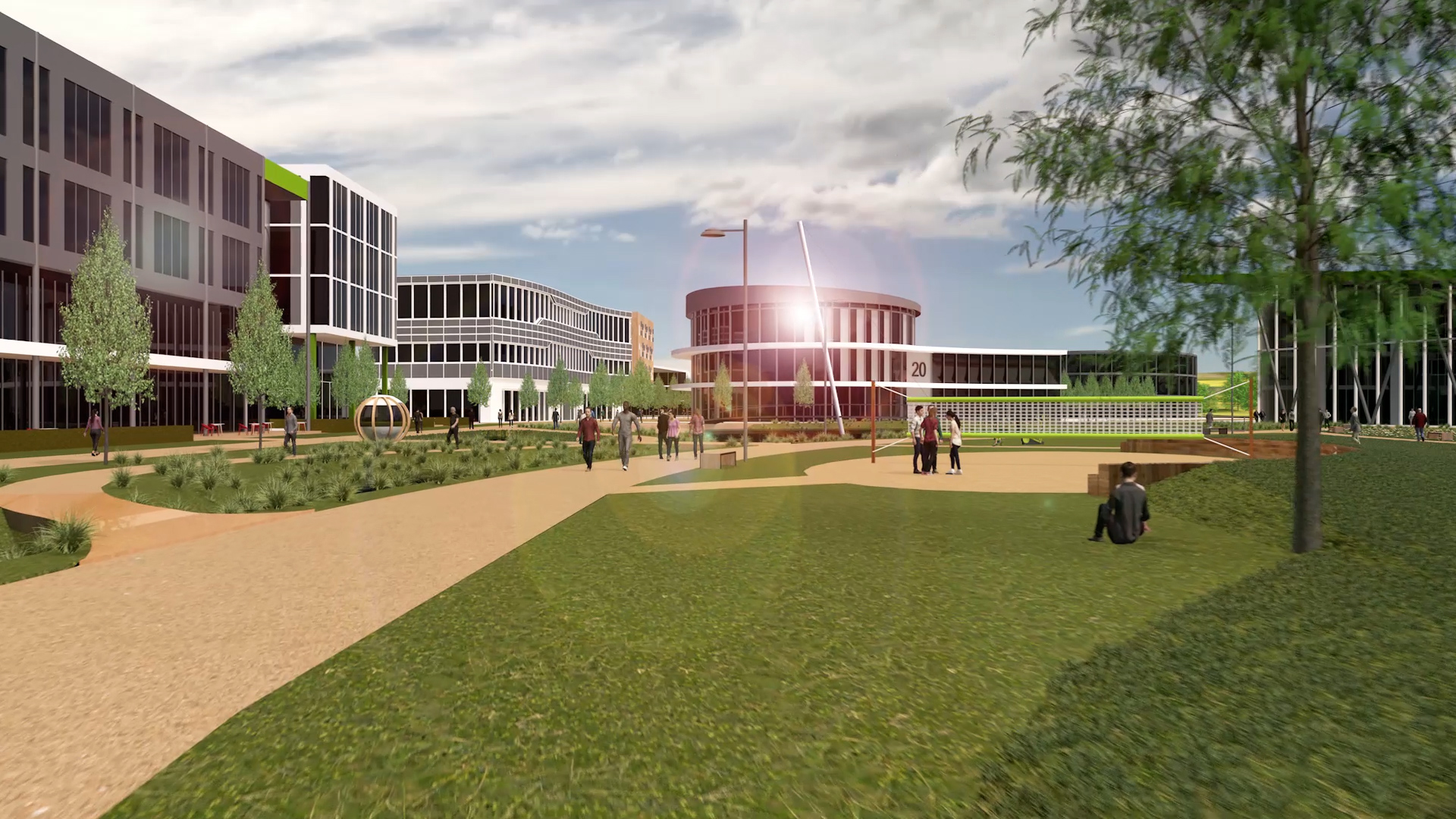
Sites like Gravity, a new 616-acre development campus near Bridgwater, are fertile ground for startups; ideally located and connected with road and rail, accessible and attractive to university graduates. Designed to offer not only sustainable and clean commercial space but flexible hub campus settings so that knowledge sharing can happen and conducive to “live, work, play” lifestyle in a low carbon and sustainable way.

We stand on the threshold of a new cleaner and greener future where vehicle electrification, the digital agenda and a newly developed need for work/life balance are likely to become the key driver in our new economic future. But this future needs to be inclusive and break down old pre-conceptions about the UK’s work force geography.

For instance, London was a third more productive than the rest of the UK in 2018. That’s far too deep a divide and implies the wealth being produced by this country is not being shared equally. Imagine instead if we grow to a future where every region becomes its own industrial and commercial eco system. Clustering can help us do just that,

A recent Centre for Cities report recommended that if the government wants to actually level-up the UK, then economically weaker performing cities need to become clusters of high-value activities.

That’s exactly what sites like Gravity are aiming to do – attract innovative companies to areas that have had their potential to host world-class industry ignored for far too long.

If we want to level-up, then we need to create many more clusters across the country then we need to build more smart campus sites, like Gravity, with the infrastructure and proximity to a talented workforce to conduct research, spark innovation, and bring products to market.

The Challenge for a West Coast- UK  Cluster

The challenge is to find a location that accommodates flexibility and understands the inherent needs tech companies require to flourish, and simultaneously compete on the world stage, this is currently being met at Gravity.

Gravity is now talking to occupiers about their future commercial property needs in this exciting and unique proposition to help build a Silicon Somerset cluster in a sustainable and collaborative environment with all the commercial advantages of excellent infrastructure too.

April 2021 Newsletter

Highlights


Green Recovery Report – Landing Soon

Gravity will soon be releasing ‘Powering the UK’s Green Revolution‘ a report outlining how best the UK can transition from rhetoric and ideology towards practical steps and actions that will stimulate the clean growth sectors. Watch this space for our list of recommendations for how both the public and private sectors can contribute to the UK’s Green revolution.



#Blog: What will the future of the UK’s Pharma and R&D lab space look like?

Pharma and R&D

Read our latest blog which explores the trends covid is expected to have on the creation and funding of the UK’s next generation of laboratory spaces, predominantly affecting the UK’s research & development and pharmaceutical industries.


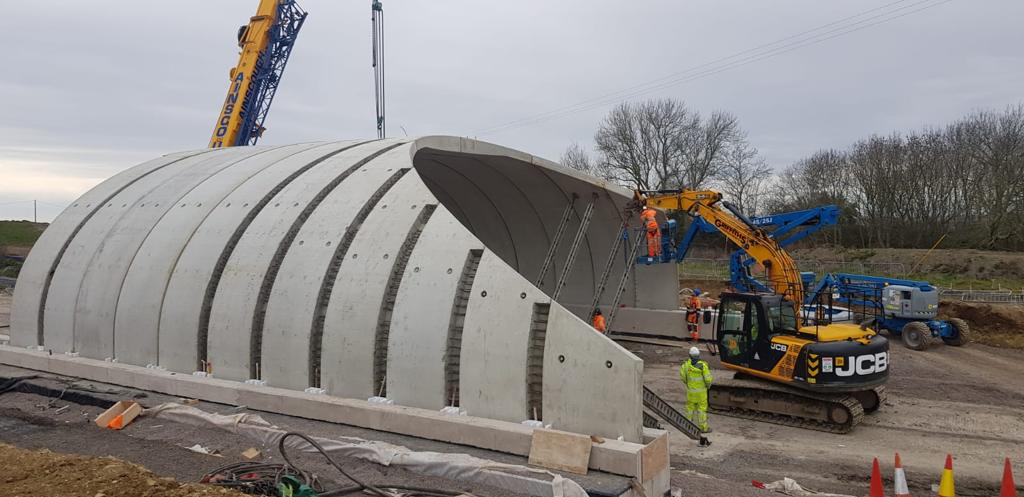
Building a bridge to a greener future

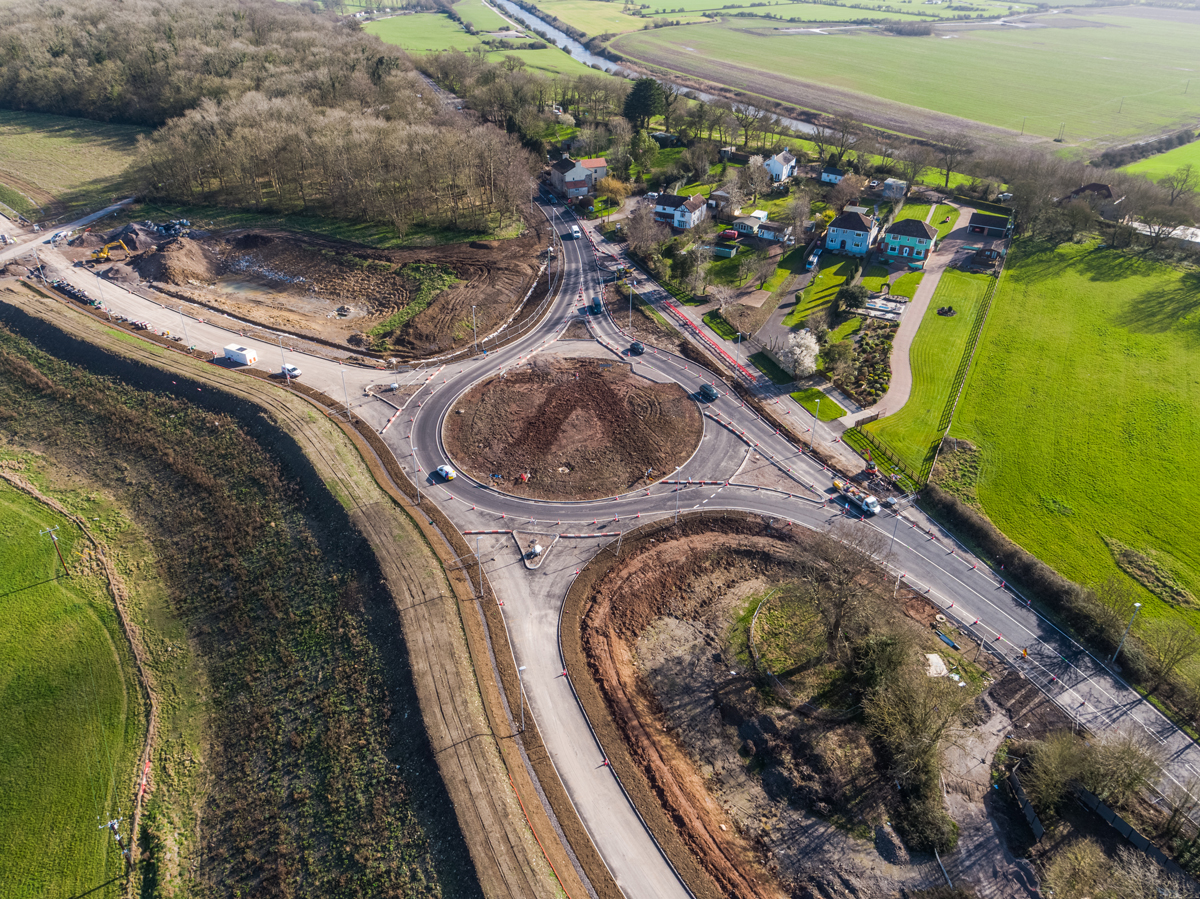
In March, the construction of the Gravity Link Road ‘green bridge’ began. The bridge will become a feature of the area for generations to come. This is the latest milestone towards the completion of the Link Road which will connect the Gravity – Smart Campus to the UK motorway network. Watch the latest drone video below.


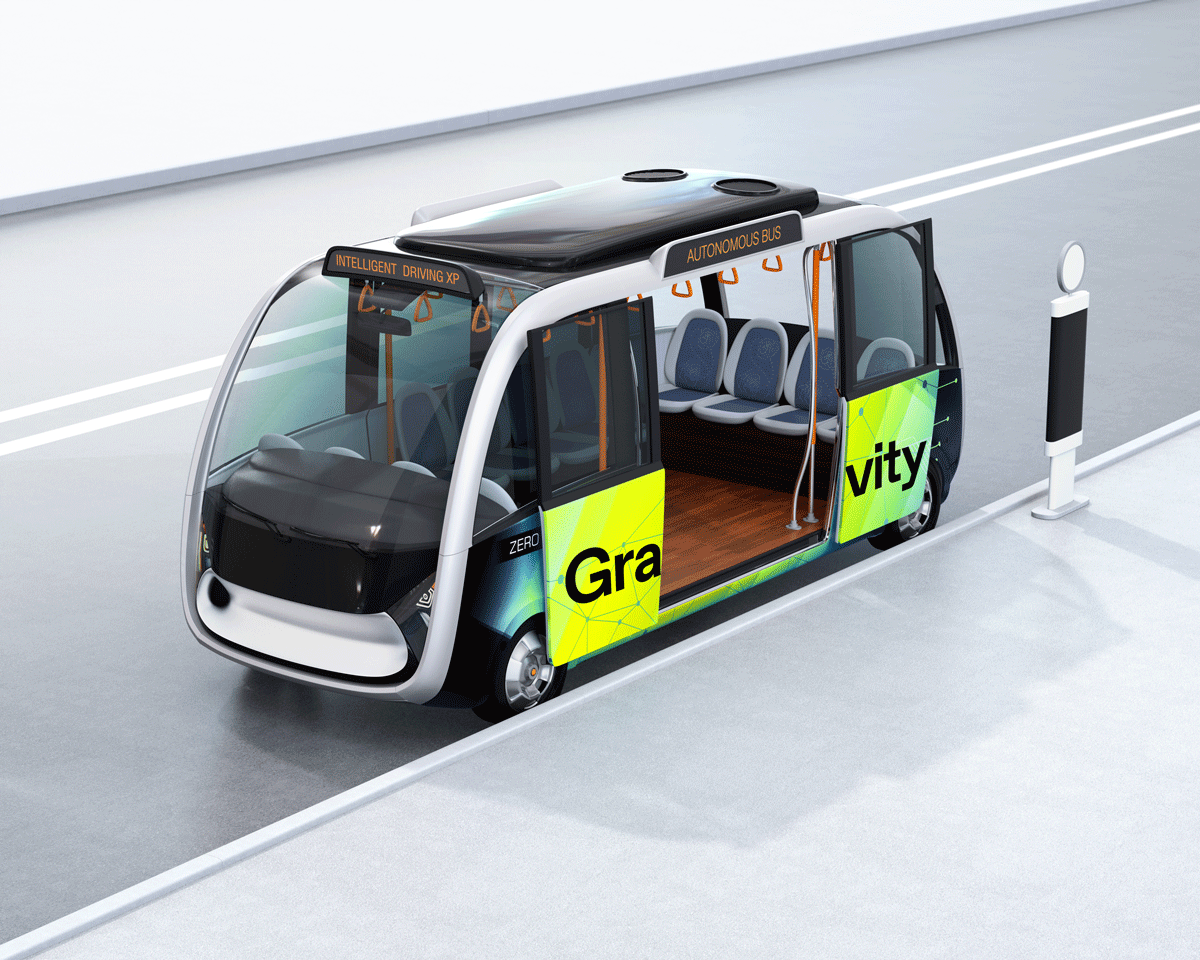
Future of transport at Gravity

Gravity recently hosted a webinar, outlining its commitment to improving local and regional transport links, including the creation new ‘green’ multi-use paths and future ‘smart’ transport solutions. 


Open for business

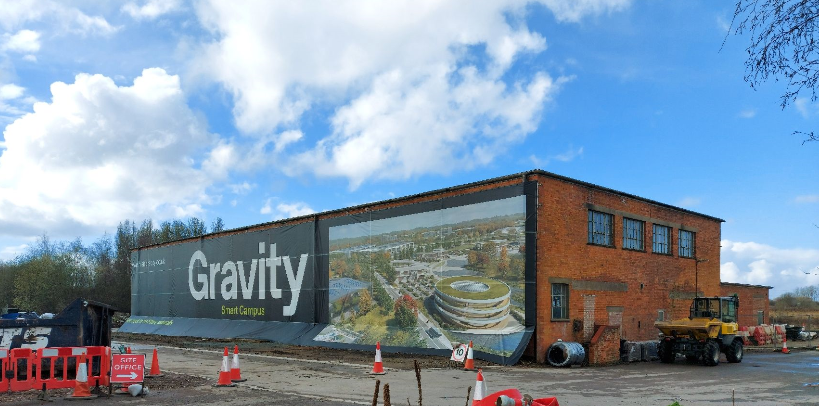
On-site preparations including a new wrap-around sign signaling the shovel-readiness of Gravity. If your business is open to becoming part of the smart campus’s collaborative culture, then download the Gravity brochure or contact JLL for more information.


Smart Campus at the heart of educational initiatives

Gravity is proud to be part of several education-based initiatives. 

Gravity is teaming up with two national, educational charities Bounce Forward and Ministry of Building Innovation and Education (MOBIE) a charity founded by architect and TV Presenter George Clarke to launch a design competition that aims to encourage local youngsters to get involved with the project. 

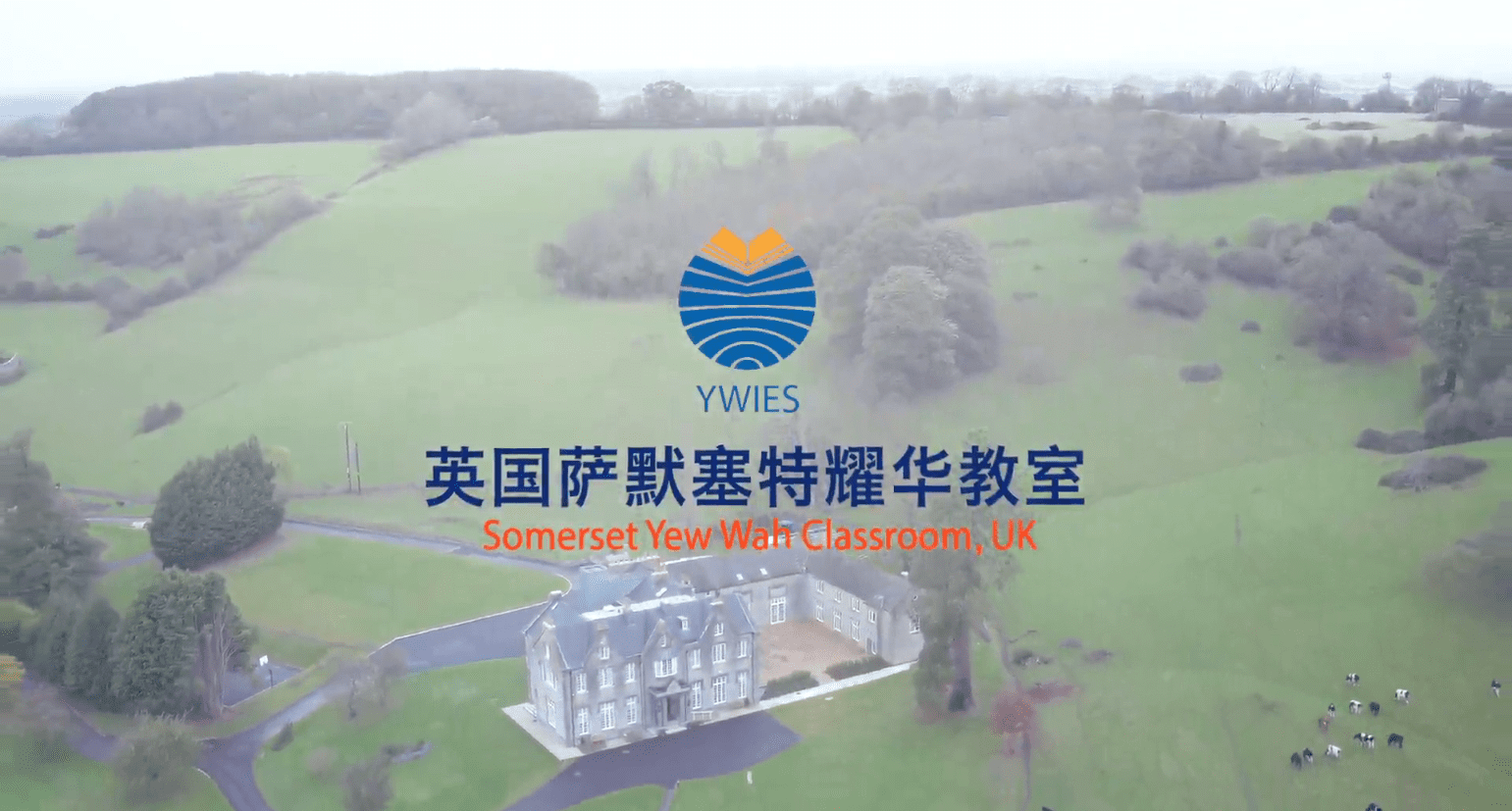
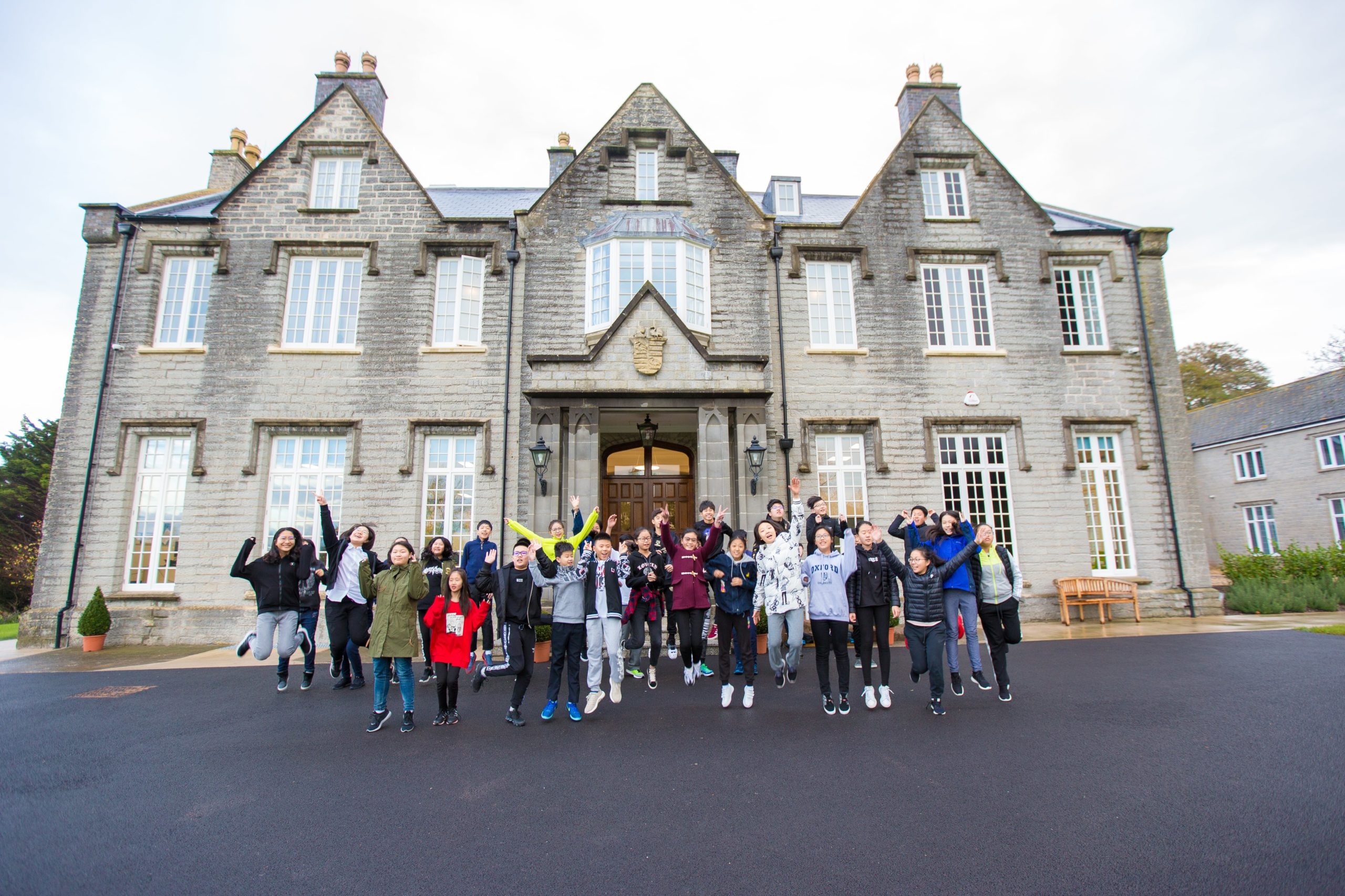
Gravity is at the heart of a collaborative learning experience with Knowle Hall and the wider Yew Wah international schools in China. Overseen by Gravity team members, the project asked international students to develop their thoughts on the Green Economy and the innovations Gravity could house for future tenants.

What the green economy can learn from the European Super League

Gravity Director and former FA Chairman, Lord David Triesman, outlines the lessons that can be learned from the fallout of the European Super League, as published in The Times

Key themes discussed include greater recognition of the value of stakeholders vs the control of shareholders, as well a shift in focus from quarterly earnings towards a longer-term outlook.

Lord Triesman believes that there are clear lessons to be learned, and that can be applied to the UK’s decarbonisation efforts in its ambition to be a global leader in emerging green sectors.

Click here to read the full article.

Gravity smart campus is at the heart of project-based learning curriculum for international students

Gravity project based learning

“This is Gravity” is proud to be part of an educational on-line learning project in collaboration with YCYW Somerset Cultural Centre (Knowle Hall) and three Yew Wah International Education Schools in China.

Gravity is on track to be the UK’s first commercial smart campus, incorporating the latest technologies and a connected ecosystem creating a new, exciting experience for all – connecting students learning in-class to real-life application is core to Gravity’s beliefs.

The eco-centric driving question for the project-based learning experience asked students aged 10-13 from the schools based in Lingang, Guangzhou and Tongxiang, to develop their thinking about the green solutions that could benefit tenants at the Gravity – Smart Campus.

The driving question for the project was ‘Considering the concept of “Green Economy” what environmentally focused advice, innovations or development ideas can you share with the Gravity Project group. Supported and guided by the Gravity team, the students will work collaboratively to research information and they then have six weeks to develop and present their ideas. All of this is underpinned by Gravity’s vision for smarter, cleaner future.

Project based learning is an alternative educational approach, putting the students at the centre of the learning experience. It enables them to determine the format of their final projects while developing collaborative working skills and investigating curriculum areas they enjoy.

It has been a great experience to virtually assist these students and see their creative process. Teamwork is such an important skill, and turning ideas into a reality is what Gravity is all about. These children are likely to be future employees at Gravity, so we need to make sure Gravity listens to the needs of the next generation. I look forward to welcoming some of these students to the site when they get to visit the Knowle Hall school in the near future

Paul Lowndes – Gravity Programme Director

The students have thoroughly enjoyed researching the Gravity project and investigating green economy initiatives. Being able to communicate with the Gravity team has created a great environment for the students to fully engage in the project.  We really appreciate all the time the Gravity team has given up, making it a positive experience for all of the students involved. We look forward to welcoming students back to The Somerset Cultural Centre very soon and we’re really excited for them to visit the Gravity campus.

Rowan Locke – Curriculum Coordinator at Yew Wah Educational School System

Ends

About Gravity

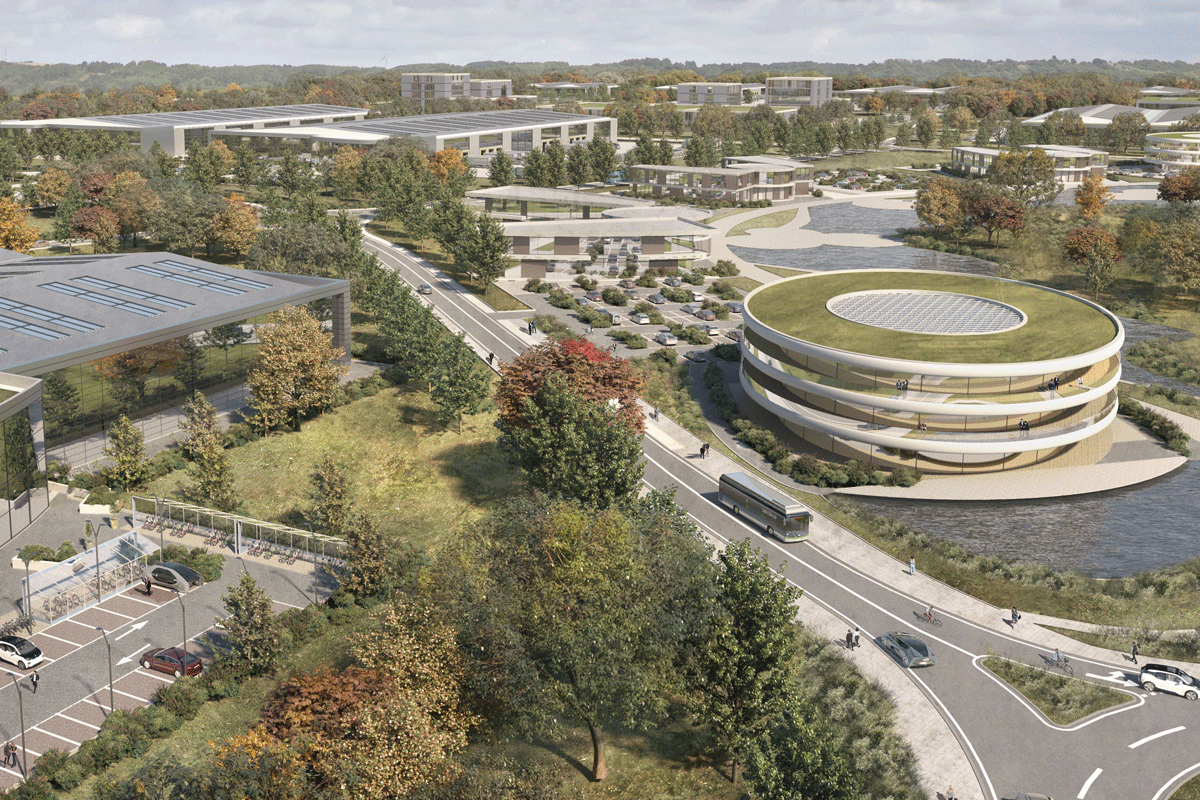
Gravity, the UK’s first commercial smart campus, is the blueprint for a smarter, cleaner future – faster. It will deliver a new era of possibility by supporting companies making a difference socially, economically and environmentally, driving the UK’s shift to growing through a cleaner economy.

With direct access to the M5 and accessible by rail, air and sea, the site offers over 616 acres for the creation of millions of sq. ft of scalable, flexible and shared working space.

Multinationals and start-ups will benefit from the excellent connectivity and speed of build out Gravity offers. By attracting today’s giants and tomorrow’s unicorns, there will be significant opportunities for collaboration.

With its on-site water provision, renewable and low carbon energy infrastructure and building energy management, dark fibre, excellent transport links, accessible talent pool and knowledge economy including four top-tier universities close by, Gravity provides occupiers with the ability to build, expand, and develop faster and efficiently.

About Knowle Hall

Somerset Cultural Centre (Knowle Hall) is a Yew Chung Yew Wah Education campus based in Bridgwater (Somerset, UK). Students in grades 6, 8 and 10 from YWIES schools visit Bridgwater throughout the year for total English immersion and culture learning. The visits develop students’ awareness and understanding of British history and culture, encourage critical thinking and allow students to acquire an appreciation of other viewpoints. The YCYW Somerset Cultural Centre promotes environmentally friendly lives; students participate in ecology and horticulture lessons, as well as forest school and visits to local recycling centres to aid their knowledge. Collaborations with local schools and integrated lessons enhance the aims of the centre.

About Yew Chung Yew Wah Education

An education pioneer rooted in Hong Kong, Yew Chung Yew Wah (YCYW) offers a unique education journey merging the best of Chinese and Western cultures, with a mission to raise globally competent and compassionate leaders for a better world.

The first Yew Chung School and Kindergarten was founded in Hong Kong in 1932 with a vision to educate students beyond the classroom and to instil a sense of societal consciousness.  In the 1990s, Yew Chung was invited to Shanghai and Beijing to open schools to meet the needs of foreign communities in mainland China. The network expanded with Yew Wah International Education Schools dedicated to nurture Chinese students with international perspectives.

Celebrating nearly 90 years of heritage and milestones, YCYW now plays a major role in promoting global education, multicultural understanding, leadership and stewardship from Early Childhood to Tertiary education, actively contributing to our home nation and beyond.

Today, YCYW is an unrivalled network of international kindergartens, schools and college that spans over 20 prime locations in Hong Kong, mainland China, Somerset in the UK and Silicon Valley in the US, providing high quality education and advancement to more than 10,000 teachers and students worldwide.

George Clarke launches Gravity design competition for students in Somerset

Gravity Design Competition -George-Clarke-headshot

Gravity is teaming up with two educational charities to launch a design competition that aims to encourage local youngsters to get involved with the project to create the UK’s first smart campus and community.

Gravity is launching the Gravity Young Persons’ Design Challenge in partnership with Bounce Forward, a charity dedicated to teaching young people resilience as a life skill, and the Ministry of Building Innovation and Education (MOBIE), a charity founded by architect and TV Presenter George Clarke to inspire young people to rethink the way we design and build places and communities, and offering them a window into a future career in the built environment.

Primary and secondary schools, and colleges across Sedgemoor are being invited to take part in the competition to imagine and design what kind of a place Gravity will be to achieve its vision of creating a zero-carbon community that integrates work, rest and play.  

Claire Pearce, Director of Planning and Economic Development at Gravity, comments: “Gravity is committed to ensuring that this landmark project delivers benefits to the local community, even at this very early stage. We’re excited to be working with Bounce Forward and MOBIE, and engaging with local schools and colleges, to take advantage of the educational opportunities that Gravity is already creating.

“As a project which will create over 4000 jobs, it is important to think about how we can reduce the need to travel to work, what we can include as part of the scheme to help local people access work opportunities, and how to design in integrated homes and leisure opportunities, as part of a new integrated, and sustainable community.

“Through this competition, we’re encouraging young people to think about place making; what do they want from Gravity and places of the future? What kind of workspaces and homes create a happy, healthy and well-connected place to live and work?”

The challenge

Students will be challenged to design a zero-carbon home in a new employment led community that reflects Gravity’s vision of being clean and inclusive, considering the wellbeing of people, the community, and the planet. Youngsters will need to show their home in the context of its wider place, including connections to work, green space and transport links, and how smart technology would be used to support new ways of living.  

George Clarke, MOBIE founder, says, “MOBIE is all about young people and the future of the built environment. I am delighted that we are launching this exciting design challenge for schools in Sedgemoor, to create a new home and place on the ground-breaking Gravity smart campus and community – a place for clean, advanced manufacturing industries and for people to live, a new place to live, work and play.  

“By harnessing the talents, ideas and energy of the young people of today we can change the way we create places and how we build homes. The amazing student designs that I know will flow from this challenge will show that we have a future generation with the talent and the imagination to really make a difference for people and the planet.”

Support for students and teachers

MOBIE and Bounce Forward have already hosted a webinar to provide participating schools with information and support about how to get involved. Further webinars for schools are available on request. Bounce Forward will also run three webinars aimed at secondary school students to support their involvement with the competition and personal resilience. In addition, Bounce Forward will run webinars to support teachers’ personal development.

Lucy Bailey, Chief Executive Officer and co-founder of Bounce Forward, explains: “Our overall aim is to help young people develop resilience, not just to overcome setbacks, but to solve problems and think creatively. In the context of this competition, we want to support students, and their teachers, to be open and curious to new perspectives and have the confidence to let their imaginations go.” 

Cllr Gill Slocombe, Deputy Leader of Sedgemoor District Council, adds: “This competition presents a wonderful opportunity for young people to get involved with Gravity – a project of national and international importance located here in their local area. As plans emerge to create this innovative and sustainable community in Sedgemoor, it’s important we listen to what young people want from Gravity, and for their future.”

The Gravity Young Persons’ Design Challenge has three age categories, 9-11, 12-15 and 16-18. The finalists will be announced on 18 June and the winners revealed at an event to take place in June or July 2021 (details to be confirmed). For more information, visit: https://www.mobie.org.uk/challenges/gravity.

Ends

For more information, please contact Tori Madine at 07508 917 477 or tori.madine@social.co.uk

1. George Clarke
2. Artist’s impression of Gravity

Notes to editors

About Gravity

Gravity will be the UK’s first commercial smart campus and a blueprint for a ‘cleaner’, smarter future. It aims to attract the world’s most innovative companies working in the ‘clean growth’ sectors.

Based on the site of the former Royal Ordnance 

Expected to create around 4,000 jobs, the 616-acre Enterprise Zone will be designed to shape connections between people and the places they work, supporting a culture of innovation and wellbeing. It will include diverse, flexible workspaces and resilient technologies along with enhanced transport links to, and within, the surrounding area.

For further information, visit https://thisisgravity.co.uk/

About MOBIE

Architect and TV Presenter George Clarke founded the Ministry of Building Innovation and Education (MOBIE) in 2017 to inspire young people to revolutionise the way we think about homes. We need younger generations to define how they want to live now and in the future, and MOBIE helps them do it. https://www.mobie.org.uk/

About Bounce Forward

Bounce Forward is a national charity that delivers inspiring and practical training programmes to support young people to reach their full potential in life. The charity believes that teaching resilience skills should sit alongside academic lessons and have spent 13 years working directly with more than 1,800 schools and delivering research to evidence what they do.

Core principles

  • Resilience is not just about overcoming setbacks, it’s also about making the most of opportunities
  • We base our approach and training on solid research, theory and evidence
  • We teach skills and strategies that work in the real world
  • The adults matter: their role is vital in helping children and young people be resilient and thrive

https://bounceforward.com

Gravity installs ‘green’ bridge over link road

Gravity ‘green’ bridge

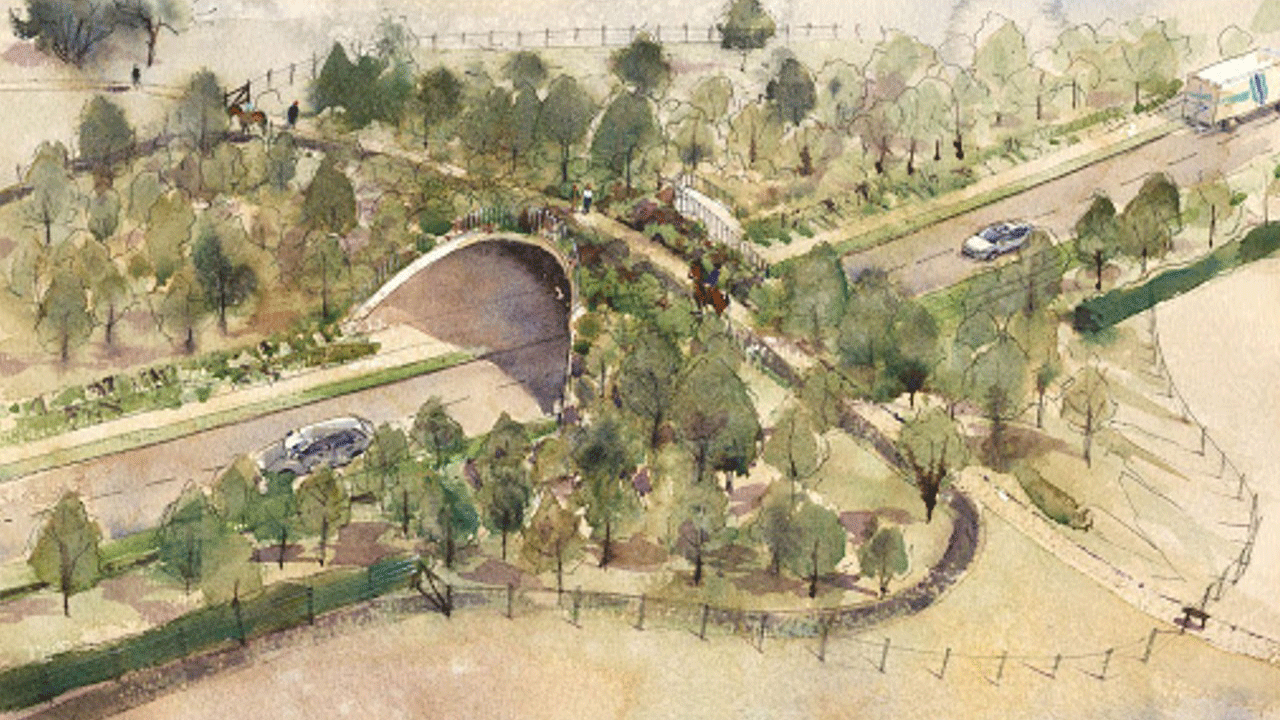
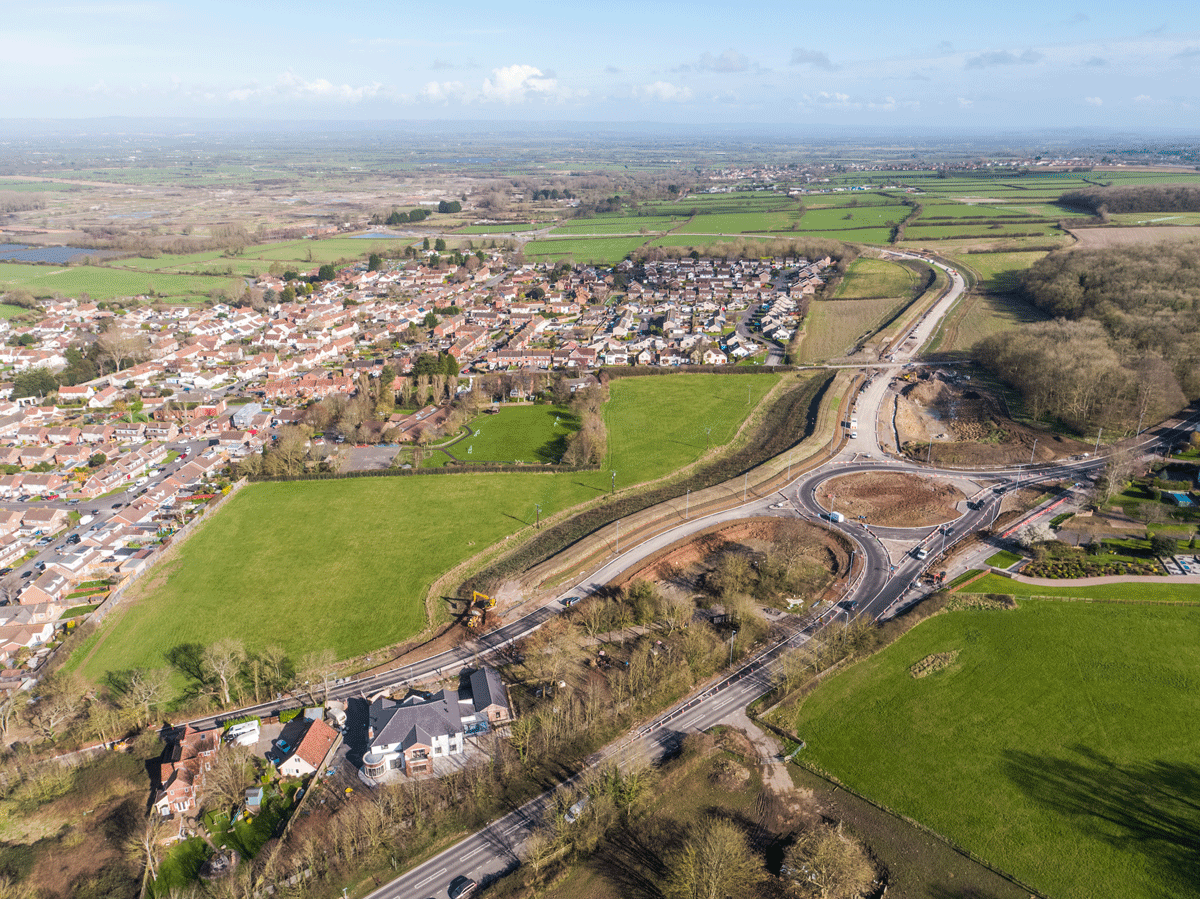
Gravity, which is based on the site of the former Royal Ordnance Factory (ROF) between Puriton and Woolavington, is installing a ‘green’ bridge to carry a public bridleway over the new road that connects the 616-acre site to the A39.

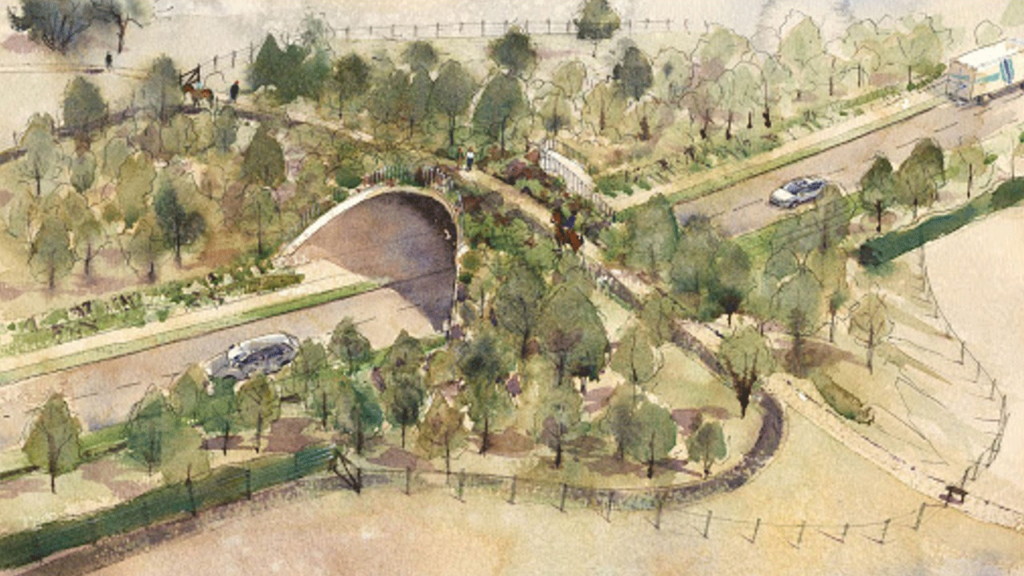
Located to the south of Puriton, the bridge will be planted with a variety of grasses and native plants, either side of the two-meter wide path, creating a ‘living’ bridge over the link road.

Gravity, the project to create the UK’s first smart campus and community, is building the bridge to allow users of a local bridleway to safely cross the new road and access the surrounding countryside.

As well as offering safe passage, the aim is for the green bridge to support environmentally friendly travel and leisure, contributing to the area’s biodiversity and becoming an attractive point of interest.

Paul Lowndes at Gravity, comments: “Gravity is committed to delivering an inclusive project that brings benefits to the local community which includes helping people to access, and enjoy, the countryside. The green bridge is a fantastic engineering structure and forms a key part of the vision for Gravity and delivers on our commitment to invest locally – providing a safe way to cross the new link road.” 

The structure is part of wider efforts by Gravity to create an exceptional and inclusive place to help drive the UK’s shift towards a zero-carbon economy. In doing so, the landmark project aims to create 4,000 high quality jobs and place Sedgemoor at the centre of the national clean growth revolution, benefitting local communities, the district and wider region.

The bridge is expected to be opened to the public by July 2021. Planting will be added during the autumn planting season.

People are invited to stay up to date about the project’s progression by signing-up for Gravity’s e-newsletter by contacting gravity@social.co.uk, calling 0330 1070 535, or by visiting thisisgravity.co.uk/community/.

Ends.

Images:

Flexible and rapid design will be the key to building the UK’s post vaccine labs

Pharma and R&D

Pushing UK commercial property to greater flexibility in lab space delivery will be integral for both Pharma and R&D to flourish

A post Covid outcome will deliver a different landscape for Pharma in this country and this will be reflected in commercial property developments. Historically, the two worlds have held opposing views. 

Commercial property developers and investors perceive cost and delay in building multi-purpose space versus the growing need for flexibility in design from the Pharma world. 

Seize the Opportunity

But if more lab space is to be built the UK commercial property sector must seize the opportunity to create. So, the delivery of buildings that work for both the end user and the property investor.

In addition, we can all see part of our recent strength has been world class R&D to deliver a Covid beating UK vaccine. The UK now appreciates the necessity of home-grown Pharma and R&D. The power of research, UK manufacturing and a sophisticated supply chain.

Vaccines aside, the trend for Pharma however is a global demand for precision medicine. Equally important is the medical model which is all about the customisation of healthcare, with medical treatments or products being tailored to the individual. At the core of this concept is the understanding that we are all different.

Embrace The Future Now

Therefore, commercial property must embrace these future lab design requirements as speeding up innovation has become critical to making R&D viable.

As detailed in international property agents JLL’s ‘Journey to the next-gen lab report‘, R&D real estate is already aware of the trend. So to become highly flexible and multi-purpose is growing in importance. Moreover, embedding this flexible philosophy into the very design and planning of any scheme will provide the right outcomes for the Pharma and R&D sectors.

Nowhere is this blueprint for the flexible delivery of lab and R&D space more possible than at Gravity, a new commercial property development based in the West of England.

One of the largest proposed developments in the UK, Gravity totals 616-acres and is designed to offer not only sustainable and clean commercial space but flexible hub campus settings so that knowledge sharing can happen.

Also, the new development site means businesses looking to own their own property can quickly design legislative sustainable requirements into the very heart of the structure. Equally important is the ability to design to harness technology to meet their immediate needs and provide flexibility for future plans.

Flexible Design Encourages Knowledge Sharing

Needless to say, flexible design also encourages knowledge-sharing, which is increasingly vital for engaging the next generation of scientists and researchers.

The vaccine era has seen this knowledge-sharing in action on an international scale to secure rapid vaccine delivery and the next generation of scientists welcome this and see it as particularly relevant for future Pharma and R&D.

The very best US innovation districts have seen exponential growth since the 1970s due to the emphasis they place on knowledge-sharing.

Consequently, many of today’s science students demonstrate a strong desire to share ideas with their peers and prefer spaces where they can learn as teams, rather than in isolation.

The Talent Pool Has Its Say

So, making labs attractive to these students will be fundamental for companies looking to attract the best and brightest talent. Developers should also look to make this an easier process for firms by basing themselves near world class universities and colleges.

The Gravity scheme is therefore located near four leading universities and a world-class engineering college. Acutely aware of what business is searching for right now in the UK, the nearby regional talent pool was an important factor in the choice of location for the scheme.

UK plc’s ability to attract international investment into life sciences will be largely dependent on our understanding of what investors and occupiers want from lab space. Recent UK Government announcements confirmed a further 15% investment into R&D. Gravity is creating a campus which will seed these business needs.

The Challenge for Commercial Property

The challenge for commercial property to deliver space that accommodates flexibility and understands the inherent needs that Pharma and R&D require to flourish here, and simultaneously compete on the world stage, is being met at Gravity.

Gravity is now talking to occupiers about their future commercial property needs in this exciting and unique proposition to help Pharma and R&D happen in a sustainable and collaborative environment with all the commercial advantages of excellent infrastructure too.

Gravity Link Road – Anticipated local road closures

local-road-closures-april-may2021

Week commencing 5th April

Opening of Old Puriton Hill two-way traffic from hall road to A39 roundabout followed by the closeure of Hillside.

Week commencing 19th May

Hall Road outbound restriction

Week commencing 24th May

Hall road full closure to Old Puriton for final surfacing

Please be advised that the listed road closures are subject to Somerset County Council approval. If you have any questions regarding road closures please contact info@thisisgravity.co.uk

Gravity Link Road Update – March 10

Gravity and Alun Griffiths are continuing to host the Link Road Q&A sessions virtually. The next sessions will be held on Wednesday 10th March. If you want to understand more about work happening at Gravity? Be sure to join us online for those virtual Q&A community drop-in sessions.

The location may have changed, but the opportunity to ask any question on the Link Road has not.

Paul Lowndes, Gravity Programme Director runs these informative sessions with the help of Alun Griffiths and Stantec. They will be on hand to answer any questions you may have about the progress of the link road.

These sessions are open to all.

We're sorry to see you go!


Company Name

Text about the company etc…

www.linktowebsite.com